Precision sealing for reliable electrical performance and extended pot life
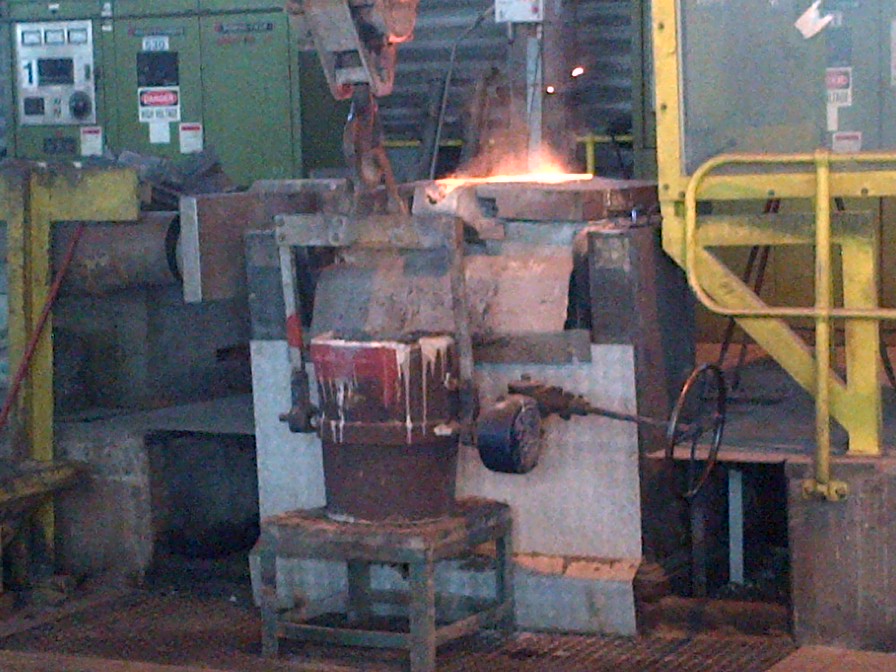
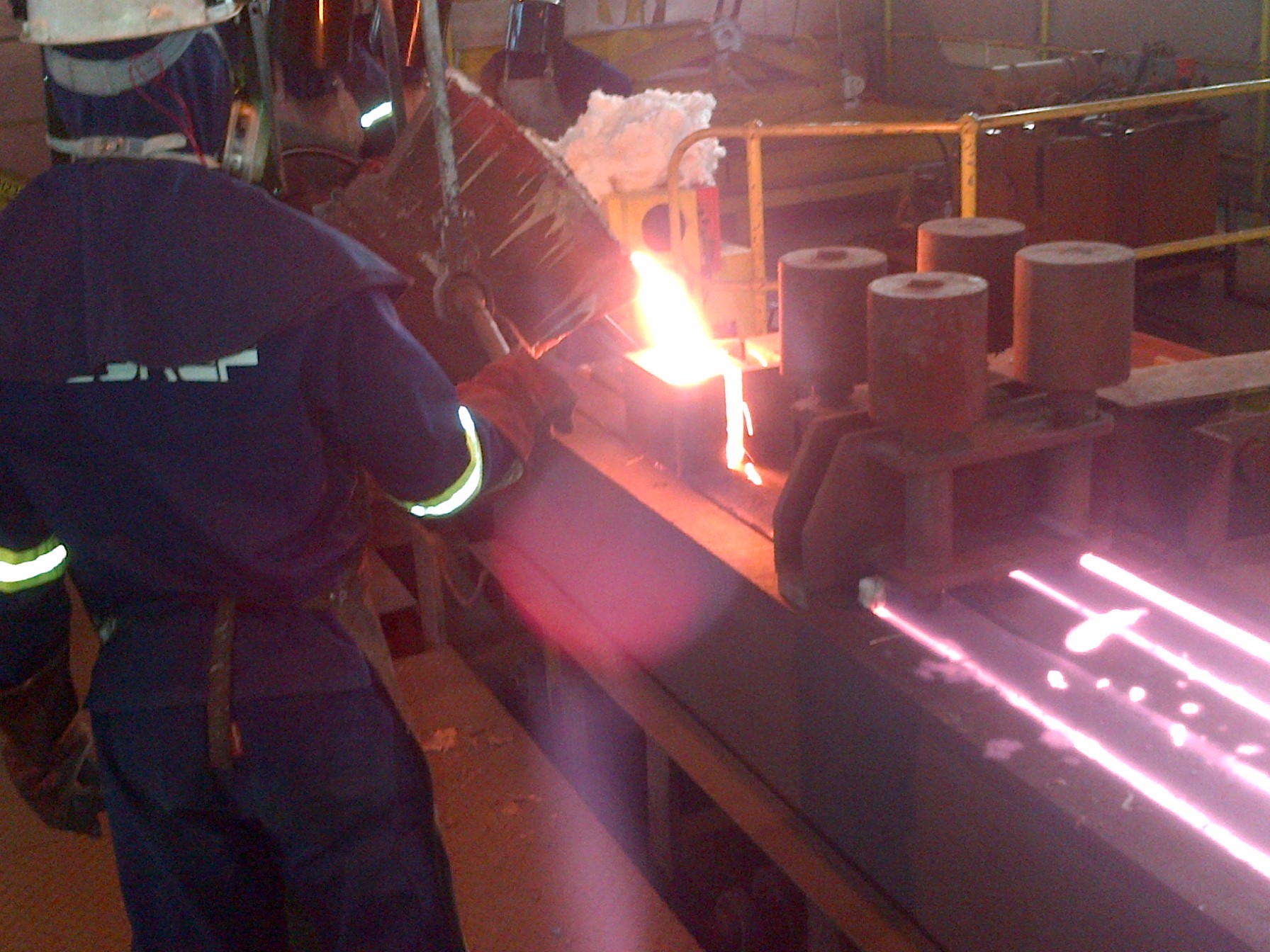
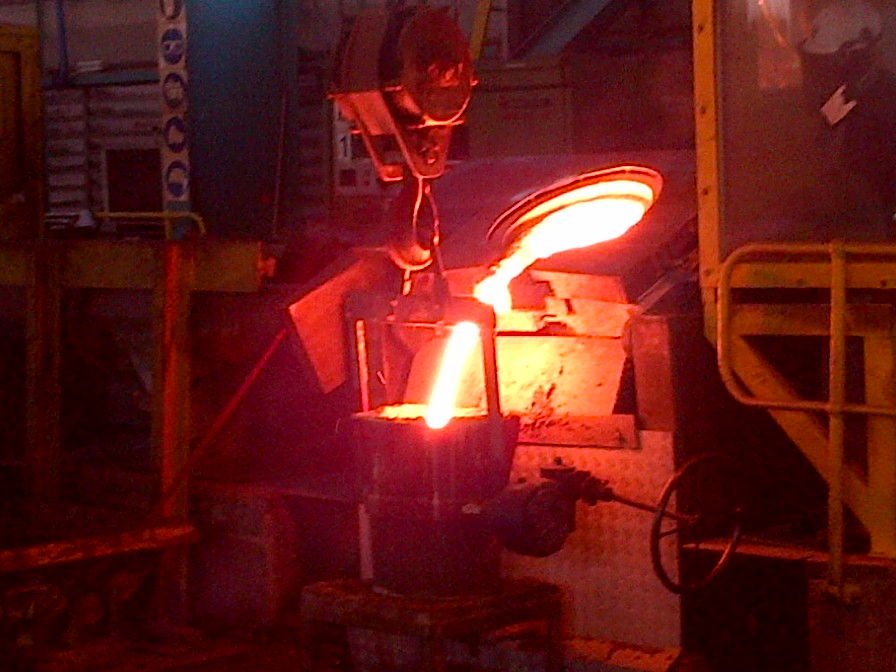
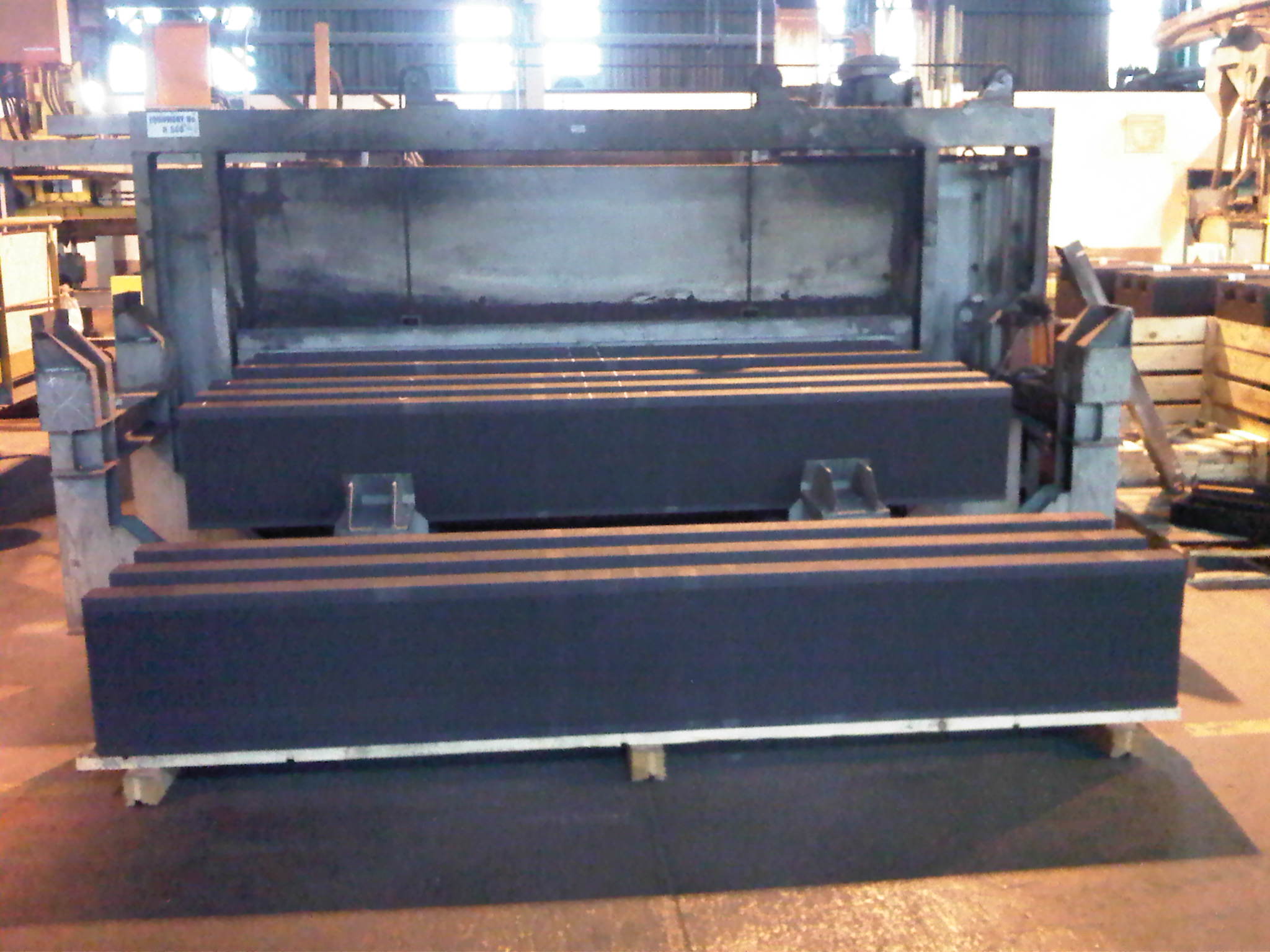
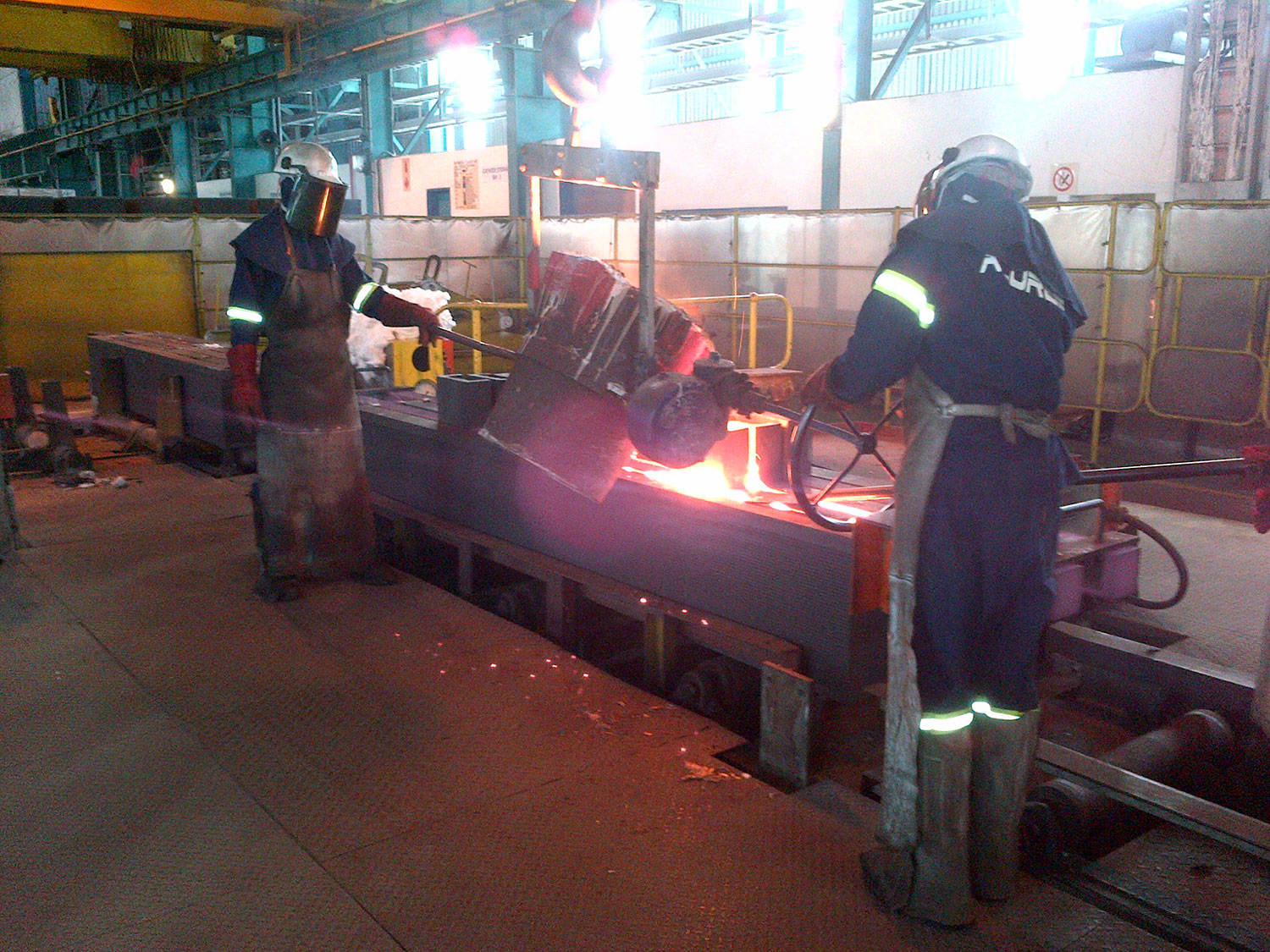
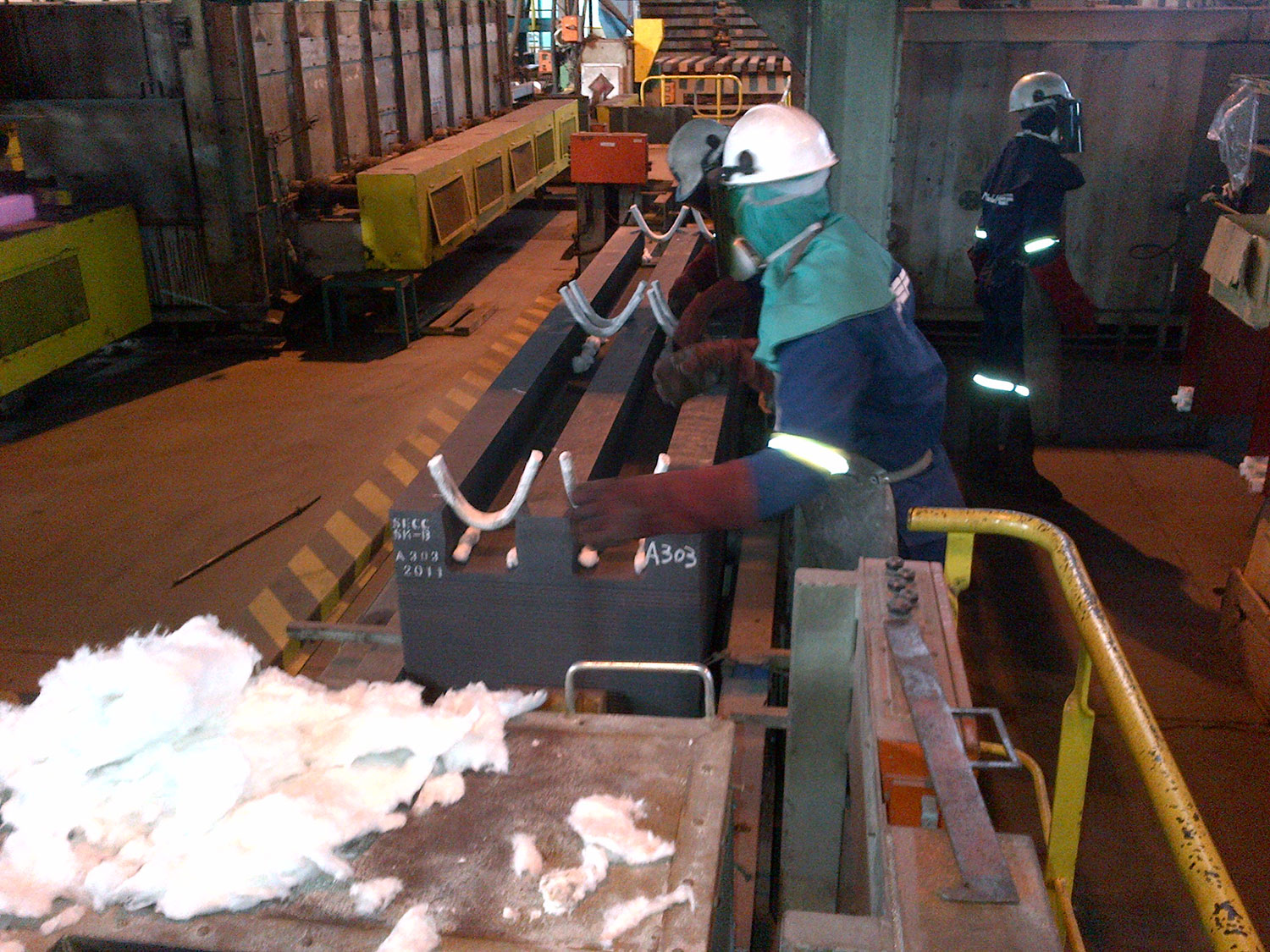
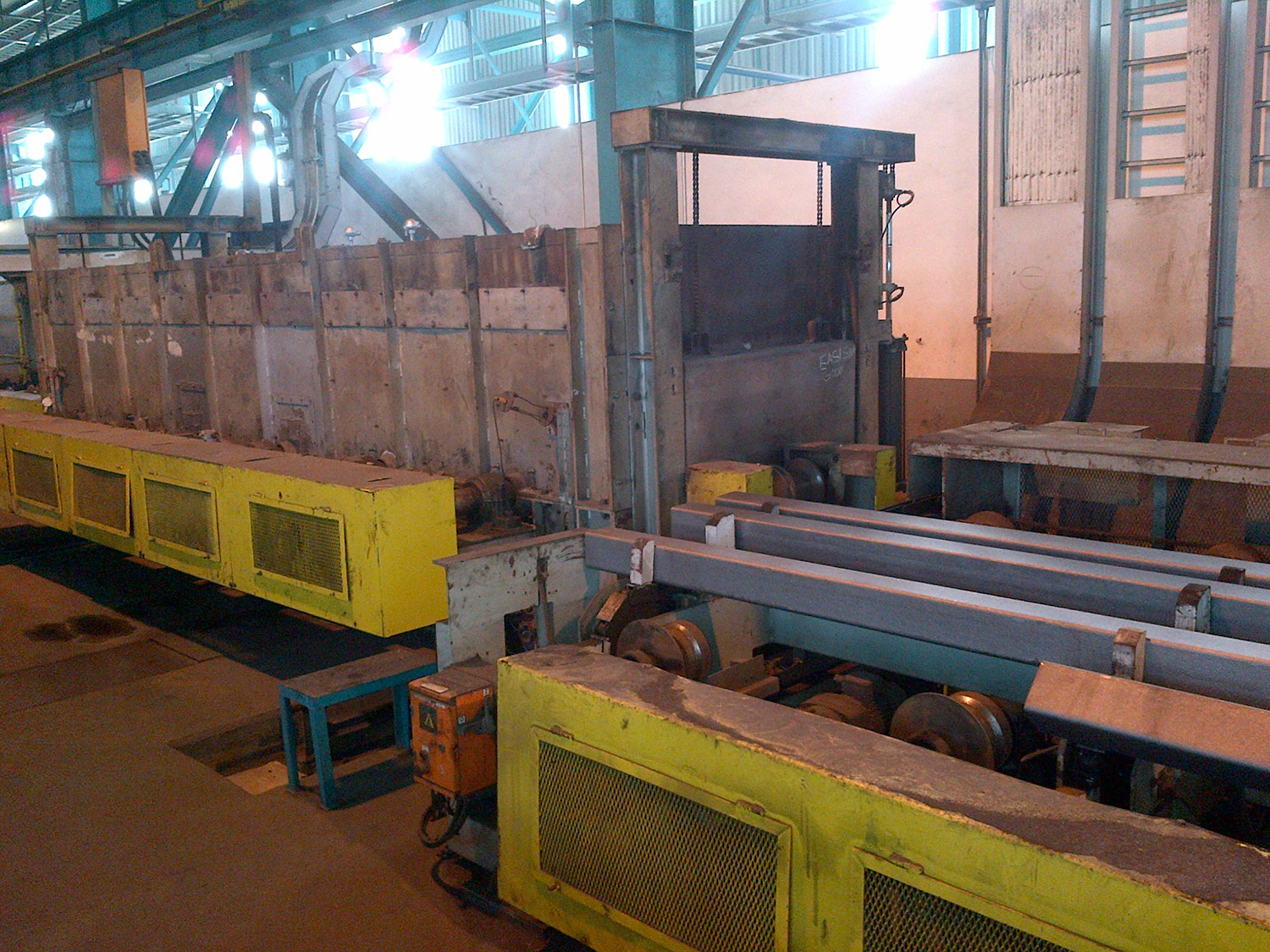
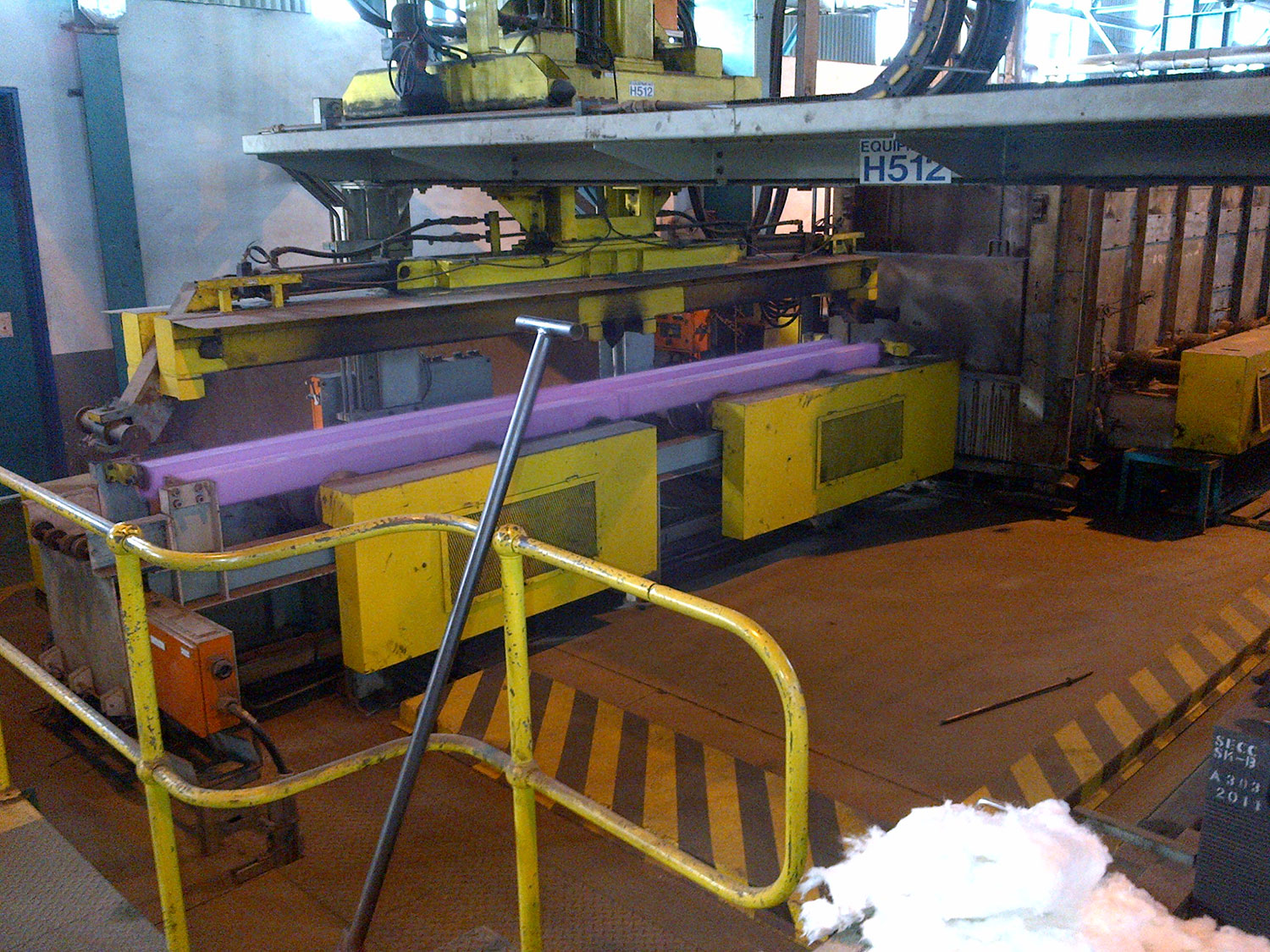
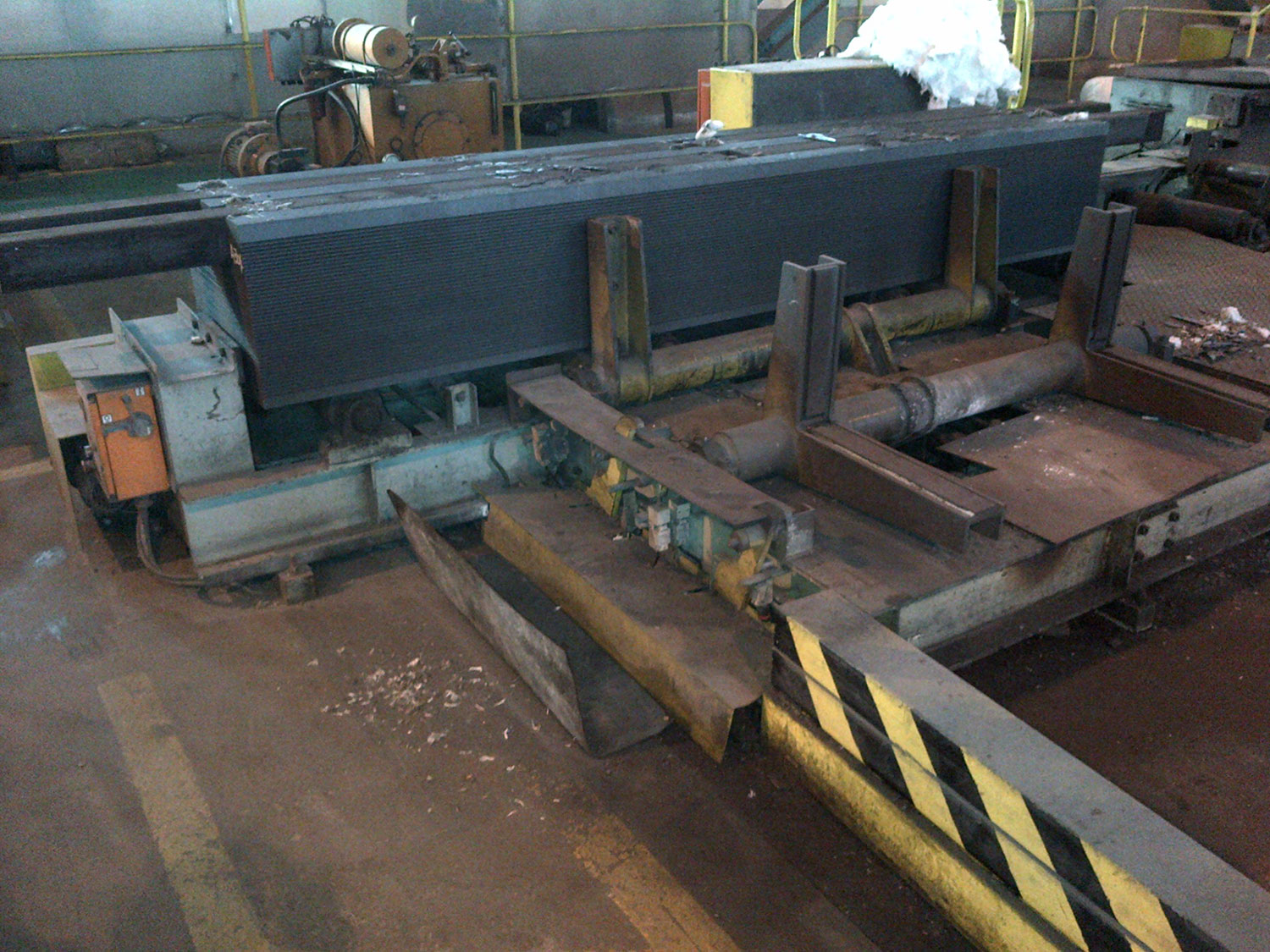
The cathode sealing process is a critical stage in the manufacture and refurbishment of aluminium reduction cells. It involves joining four steel collector bars to a graphitised cathode block using molten cast iron, creating a strong mechanical and electrical connection between the collector bars and the cathode block.
A high-quality seal is essential to achieving low electrical resistance across the joint. Electrical resistance at the cathode connection can directly influence the technical performance and energy efficiency of the pot.
Quality Is Critical
Consistent, high-quality cathode sealing is essential to prevent premature cathode and pot failures during operation. Defects such as cracks in cathode blocks can allow molten metal to penetrate into the cathode structure. This penetration can react with the refractory materials beneath the cathode, potentially resulting in excessive upheaval of the cathode blocks and further cracking of adjacent blocks.
Damage to the cathode system can also compromise the insulating properties of the surrounding refractory materials, resulting in increased heat loss and potentially higher energy consumption.
Inspection & Quality Control
To achieve the required standard, cathode blocks and collector bars are inspected at various stages throughout the sealing process. Key dimensions, conditions and process parameters are checked to ensure that the specified requirements are consistently achieved.
Process parameters and inspection results are accurately recorded on the Sealing Block Inspection Sheet, providing traceability and supporting effective quality control throughout the process.
Aluref’s Approach
Aluref applies a quality-driven approach to cathode sealing, combining experienced personnel, controlled processes and systematic inspection to ensure the integrity of the finished cathode assembly.
Our focus is on delivering reliable cathode assemblies that support:
- Low electrical resistance
- Mechanical integrity
- Reliable cathode performance
- Improved operational reliability
- Reduced risk of premature pot failure
- Consistent quality and traceability
- Long-term asset performance